
Protecting the State's Energy Interests
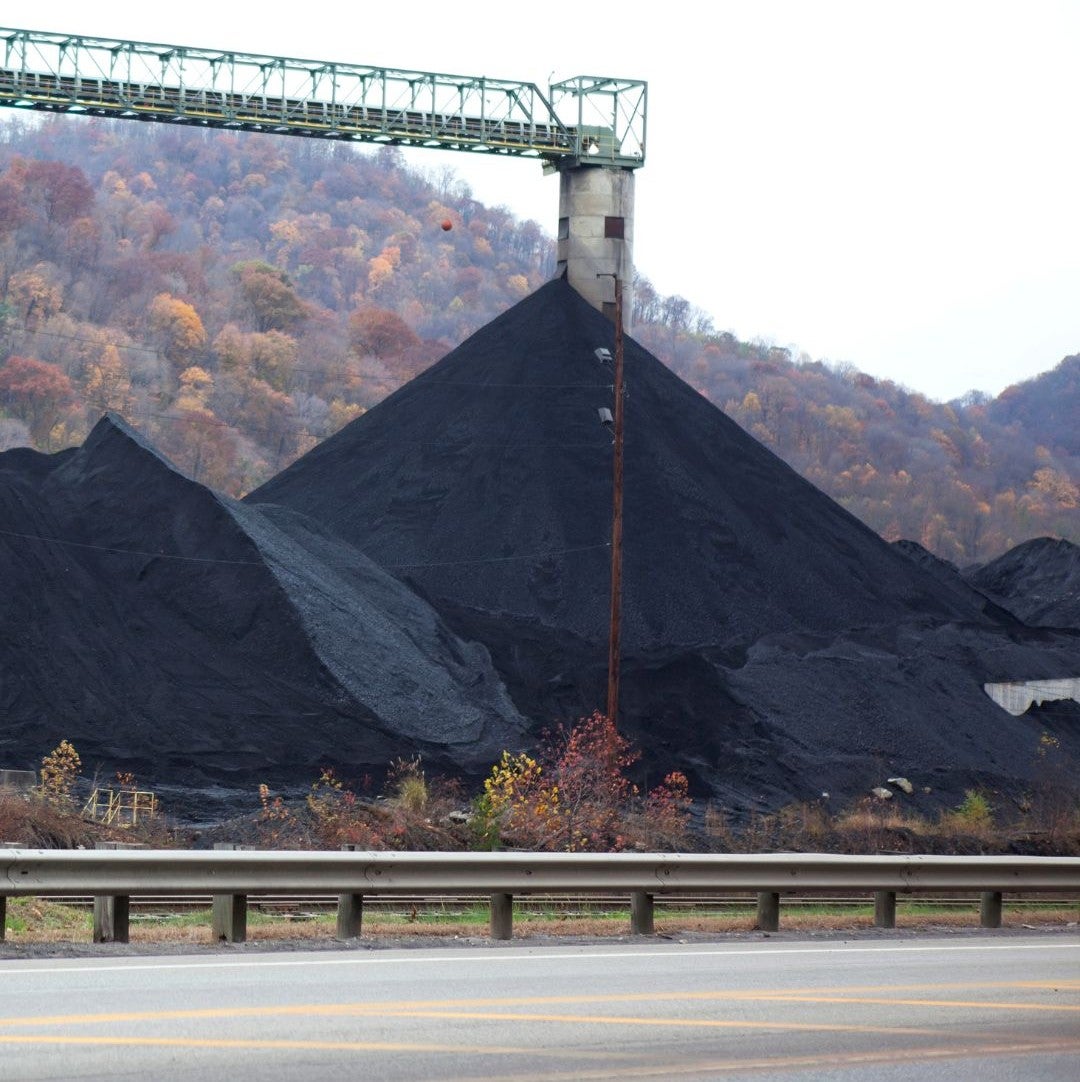
West Virginia Attorney General JB McCuskey believes that energy independence provides national security, so West Virginia's abundant natural resources—coal, oil and natural gas—are not liabilities to be regulated away, but strategic assets to be defended. States should not be subjected to regulatory overreach by federal agencies or economic warfare by other states seeking to impose their climate policies on energy-producing communities. The Office’s mission is therefore to protect America's security and ensure consumers have reliable and affordable energy.
"We finally have common sense driving energy policy on the national level, but radical state and local governments are now stepping in to continue the war on coal. We cannot allow this to happen."
leading the charge against Climate superfunds
The West Virginia Attorney General's Office is leading the charge against damaging “Climate Superfund” laws, which threaten the nation's energy interests.
In late July 2026, the Court heard arguments in West Virginia v. James from the West Virginia Attorney General's Office. The U.S. District Court for the Northern District of New York issued a ruling in favor of West Virginia. The Court held that the Climate Change Superfund Act was “simply beyond the limits of state law.” New York’s law conflicts with federal interests in applying uniform air pollution regulations. The federal Clean Air Act provides exclusive rules for regulating interstate air pollution. Because New York’s law is inconsistent with the Clean Air Act, it cannot be enforced. The Court also ruled that the foreign affairs doctrine preempted the Superfund law’s attempt to regulate international emissions.
This victorious ruling is the first on this issue. West Virginia is currently also challenging a similar Superfund law in Vermont. Legislation is also pending in several other states.
WHAT ARE CLIMATE SUPERFUNDS & WHY ARE THEY A THREAT TO THE NATION'S ENERGY INTERESTS?
- The laws threaten America’s energy independence by punishing energy producers for decades of prior energy production.
- Vermont targets energy production from 1995 – 2024; New York attempted to fine producers from 2000 – 2018.
- During that time, energy producers were following the law, as they were regulated by the EPA and subject to state laws that allowed them to LEGALLY produce energy for the nation.
- Both New York and Vermont used and profited from the use of fossil fuels during the decades in question.
- The Climate Superfund laws target only select traditional energy producers with crippling penalties.
- In New York, the Superfund law aimed to impose $75 billion in fines.
- In Vermont, there is no cap on the fines that could be levied against traditional energy producers
- The Climate Superfund laws will shift power production to countries like China, Russia, and India which operate under little to no environmental standards.
- U.S. District Court for the Northern District of New York struck down New York’s Climate Change Superfund Act. The case against Vermont continues.
Find out more here:
NY Post Op-Ed: Sorry, New York: West Won't Clean Up Your Climate Mess
W.Va. AG McCuskey leads coalition challenging Vermont Superfund, which threatens America’s energy independence
Attorney General McCuskey leads multistate lawsuit against New York’s Climate Superfund Act
Here are other ways the Attorney General's Office is fighting to protect our nation's energy infrastructure:
- West Virginia Secures Major Legal Victory against New York’s Climate Change Superfund Act
- Attorney General McCuskey leads coalition to keep a critical gas pipeline open
- West Virginia leads 23-state coalition urging EPA to delay implementation of “Tier 4” vehicle emission standards
- Attorney General McCuskey leads coalition to stop activist groups from blocking permitting process before it begins
- Attorney General McCuskey urges Department of Energy to delay and rescind furnace and water heater rules that threaten West Virginia families
- AG McCuskey to Supreme Court: One City Cannot Set Energy Policy for the Whole Country
- Federal Judicial Center Confirms Climate Chapter Removal, Responds to West Virginia-Led Coalition
- West Virginia leads 21-state coalition urging Supreme Court to block federal rule eliminating natural gas appliances
- Attorney General McCuskey praises rollback of costly EPA over-regulation
- The Federal Judicial Center announces it’s dropping controversial climate chapter following concerns raised by West Virginia-led coalition
- West Virginia leads fight against efforts by climate activists to improperly influence federal judges
- Attorney General McCuskey leads 24-state coalition supporting EPA’s cancellation of billions of questionable Biden-era grants
- Attorney General McCuskey applauds $635 million investment in America’s coal industry
- Attorney General McCuskey leads comment letter endorsing rollback of EPA Climate Rules
- Attorney General McCuskey launches investigation into big tech companies
- Attorney General McCuskey leads coalition to support roll-back of Biden-Era rule that has harmed America’s energy independence
- Attorney General McCuskey joins coalition urging courts to dismiss attacks on energy companies
- Attorney General McCuskey co-leads coalition defending American energy producers
- Attorney General McCuskey joins coalition urging EPA to halt funding climate activist group
- Attorney General McCuskey leads coalition to stand up for West Virginia coal trucking company
- Attorney General McCuskey supports Trump’s bold action to bring back 'Beautiful Clean Coal'
- Attorney General McCuskey supports efforts to increase use of coal to support our nation’s growing energy needs
- Attorney General McCuskey opposes Maryland bill that targets coal producers
- Attorney General McCuskey co-leads multistate petition challenging EPA’s ‘Methane Tax Rule’
- Attorney General McCuskey, multistate coalition score win over California’s electric-truck mandate